
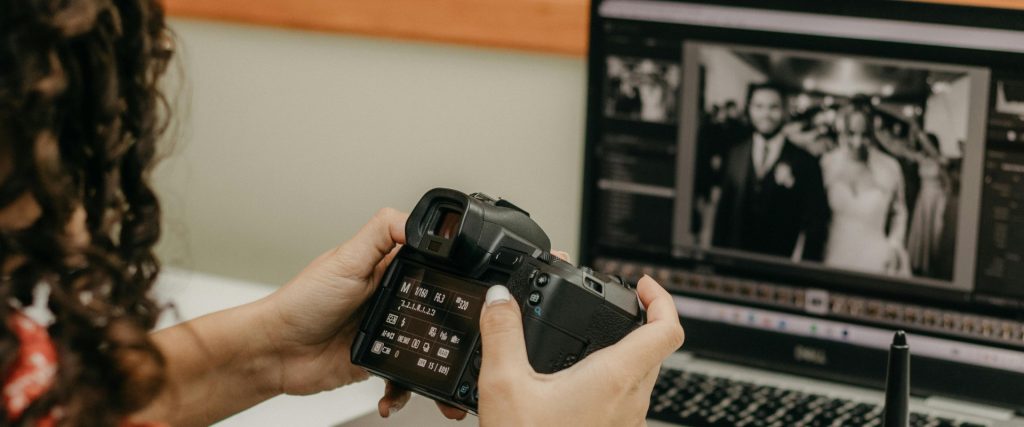
Ask any couple which photograph from their wedding they love most. It is almost never the posed one. It is the one from a moment nobody directed, when the camera was the last thing on anyone’s mind, and something real happened anyway. That photograph existed because the day had been planned to allow it. Much of that comes down to how the wedding day photography timeline was put together, and how carefully the wedding photo schedule behind it was thought through.
The timeline shapes everything. Not just which moments get photographed, but how they feel when they are being captured. A morning with no breathing room shows in the gallery even when every shot is technically fine. A portrait session that got compressed because the tea ceremony ran long rarely produces the kind of images couples had in mind. A good photographer can adapt to almost anything on the day, but there’s a hard limit: no amount of skill fills in time the schedule simply didn’t set aside.
Singapore wedding days pack a great deal in. A gatecrash that kicks off before most guests have properly woken up, tea ceremonies at both family homes, a solemnisation, portraits in the best available light, and a banquet that keeps everyone together well into the evening. Every part of that deserves proper coverage, and a wedding day photography timeline built around the actual shape of the day is what makes that happen.
Why Does the Wedding Day Photography Timeline Matter So Much?
Most couples spend significant time choosing their photographer. Far less time goes into thinking about what that photographer will actually be able to do with the day they have been given, or how a proper wedding photo schedule could change that.
A photographer with genuine talent and the right eye can still only work with what the timeline gives them. This is what tends to go wrong on an actual wedding morning:
- Hair and makeup run over, and the getting ready coverage gets compressed
- An earlier ceremony or ritual goes longer than expected, and the portrait session shrinks to make up for it
- Different vendors end up working from different versions of the schedule, and the day starts running behind with no real way to close that gap
The wedding day photography timeline is what stops this chain reaction before it starts. It isn’t just a list of when things happen, it’s the structure that creates the actual conditions for good photographs: breathing room in the morning, real time with the photographer instead of a rushed ten minutes, and an honest account of what a Singapore wedding actually involves, the travel, the heat, the ceremonies that run longer than anyone planned for.
What Should a Wedding Day Photography Timeline Include?
Every Singapore wedding is different, but the segments that need proper time allocated within the photography timeline are largely the same across all of them.
Getting Ready Coverage: The day starts quietly here, before anything official begins. The dress off its hanger, jewellery going on, a mother in the doorway. These shots set the emotional tone for everything after, and they need more time than most couples give them. Sixty to ninety minutes is realistic, and the photographer should be there before prep is finished, not after.
The Gatecrash: There’s no set start or end time for this one, it moves according to auspicious hours rather than anything printed on a schedule. Leave room for it instead of treating it like a fixed appointment. Between the challenges, the games, and the moment the groom finally makes it through the door, this stretch tends to produce some of the rawest, least posed shots of the whole day.
The Tea Ceremony: One of the most significant moments in a Chinese wedding, photographically. The rituals carry weight, and whatever shows on people’s faces is real, not repeatable. A photographer who’s done this before already knows where to stand. Set aside somewhere around an hour to ninety minutes for this, and stretch it further if each family is hosting their own separately. It’s usually the pauses in between, not the staged parts, where the best images come from.
Travel Between Venues: This is where time quietly disappears. Couples plan for the venues but forget the gaps between them: parking, lifts, getting composed before the next ceremony starts. None of it’s on the schedule, but it all takes time. Budget at least fifteen to twenty minutes per transfer, more during peak traffic or if there’s an outfit change involved.
Couple Portraits: This is usually the part couples are counting down to, and also the first thing that gets cut short when the schedule slips earlier in the day. Try to protect at least forty-five minutes to an hour for it, ideally timed around golden hour if you’re shooting outdoors. Late afternoon light in Singapore, roughly five to seven, has a warmth midday just can’t match.
Family Group Photographs: Always takes longer than expected. Sorting people into the correct groupings, in the right order, before anyone wanders off, ends up being a whole task by itself. Prepare the groupings list in advance, hand it to the photographer, and assign one family member to round people up. Plan for thirty to forty-five minutes, more for a large guest list or a venue spread across floors.
The Solemnisation: Civil ROM or religious, this is where it becomes official: the vows, the signing, the faces watching. The photographer should know their spot, the must-not-miss moments, whether flash is allowed, and how the light falls at that time, all worked out ahead of the day.
The Banquet: A lot happens at once: march-in, speeches, yam seng, cake cutting, candids breaking out everywhere. Flag which parts are non-negotiable and which can be covered more loosely. That one conversation shapes how the photographer moves through the room all night.
A Realistic Singapore Wedding Day Photography Timeline
No two wedding days begin at the same hour. What shifts is the clock, not the thinking behind it, the same care in sequencing applies regardless of when the day starts. Here is how the day tends to unfold, with timings noted for both a South Indian Hindu wedding and a full Chinese wedding day, since the two start at very different hours:
- 4:00am (South Indian): Photographer arrives to begin getting ready coverage ahead of the auspicious hour
- 5:00am to 7:00am: Core wedding rituals at the mandapam, timed to the muhurtham
- 7:00am to 8:00am: Post-ritual family blessings and close-up detail shots
- 8:00am to 9:30am: Rest, breakfast, and a change of attire before the reception
- 6:30am (Chinese): Photographer arrives at the bride’s home as getting ready coverage begins
- 8:30am: Groom arrives and the gatecrash kicks off
- 9:30am to 11:00am: Tea ceremony at the bride’s family home
- 10:00am onward: Reception coverage, portraits, and guest candids through the rest of the day
- 11:00am to 12:00pm: Travel to the groom’s family home, where the tea ceremony continues
- 12:00pm to 1:00pm: Rest and lunch, giving the couple a proper chance to breathe before the afternoon
- 1:00pm to 3:00pm: Travel to the banquet venue, check-in, and outfit change
- 3:00pm to 4:30pm: Couple portrait session, either at the venue or nearby
- 4:30pm to 5:30pm: Family portrait session
- 5:30pm to 6:30pm: Rest and final touch-ups before the banquet
- 6:30pm: Reception opens
- 7:00pm: The couple’s grand entrance
- 7:00pm to 10:30pm: Coverage of dinner, the evening’s programme, and candid moments throughout
Every wedding moves to its own clock. A Malay wedding centred on the akad nikah, a Christian ceremony with an evening reception, a civil ROM with dinner after, each runs differently and each needs its photography sequenced accordingly.
What they all share is this: the timeline needs to be decided before the wedding morning, not worked out once the day is already moving. The earlier a photographer understands the full structure of the day, the better placed they are to capture what actually matters.
What to Share With Your Photographer Before the Day
Handing your photographer a proper checklist ahead of time makes a real difference to how the coverage turns out. Think of it as the companion document to your wedding day photography timeline, one covers when things happen, the other covers what the photographer needs to know to make the most of that time. Every couple should treat their wedding photographer checklist as seriously as the timeline itself, and it should include:
- The complete day schedule with venue addresses and estimated travel times between each location
- The specific family groupings required for formal portraits, listed clearly
- Any must-have moments that are non-negotiable, first looks, specific rituals, particular guests
- Information about the venues, which spaces have the best light, where restrictions apply, whether flash is permitted
- Phone numbers for whoever the photographer might need to reach or coordinate with on the day
The more the photographer knows going in, the less time they spend figuring things out and the more time they spend actually shooting.
A Singapore wedding day tends to pack in more than most other places manage. Multiple venues, multiple ceremonies, several outfit changes, more than one family’s traditions running back to back. A wedding day photography timeline here can’t just cover the big obvious moments. The gaps in between matter just as much, since that’s usually where the day quietly starts falling behind.
Hindu ceremonies follow a fixed order, and each step in it carries its own weight. Malay weddings run through both the akad nikah and the bersanding, and each one lands differently for the families involved. Interfaith couples often end up holding two full ceremonies, sometimes for entirely separate guest lists, and neither one gets treated as the lesser event.
A photographer who’s covered these traditions before won’t need any of this explained on the day. They’ll already have a sense of where to be before the moment actually happens, which is really the gap between someone documenting a wedding and someone who’s actually in step with it.
Frequently Asked Questions
A few things couples often wonder about once they start putting their wedding day photography timeline together.
How far in advance should the timeline be finalised?
Around a month before is a good idea. Two weeks is really the minimum. Giving your photographer more time means they can catch anything tight and sort it out before the day arrives.
How much buffer time should be built into a wedding day photography timeline?
A bit more than most couples expect. Try adding fifteen to twenty minutes between segments, especially for travel or outfit changes. Without that cushion, one small delay can throw off everything after it.
Who should be involved in putting the timeline together?
Usually the couple, the planner, and the photographer. It also helps to bring in other vendors early on, like the makeup artist or venue coordinator, since their schedules can shift the timing too.
What part of the day do couples most often underestimate?
Travel between venues, and family portraits. Neither looks like much on paper, but both tend to take longer once people and vehicles actually need to move.
What happens if the day starts running behind?
Your photographer will usually notice before you do. What matters most is what happens next. Take a moment together to decide what can be shortened and what really can’t be missed. A good photographer will already have some sense of this from the timeline, but it still helps for the couple to make that call quickly, since waiting too long tends to cost more than the delay itself.
A Final Word
Long after the wedding is over, the photographs are what remain. Not just of how the day looked, but of how it felt. A wedding day photography timeline that is built with genuine care is what gives those photographs the conditions they need to be worth keeping.
At 8 Asthas, every detail of a wedding matters, including how it is photographed and remembered. As a premium wedding planner in Singapore, we help couples structure their day so the photographs reflect how it actually felt. From the first planning conversation to the last moment of the evening, nothing important gets left to chance. You can see how we have done it for other couples on our Instagram or read what they have to say in our Google reviews. When you are ready, reach out to 8 Asthas and let us help you bring it together properly.

